Beirut Street Food eyes niche in Lebanese fast casual
The brand plans to open three restaurants in the next 18 months.
Beirut Street Food plans to be a disrupter in the fast casual restaurant industry scene by taking the spot of an underserve Lebanese street food cuisine and leveraging the founder's culinary experience.
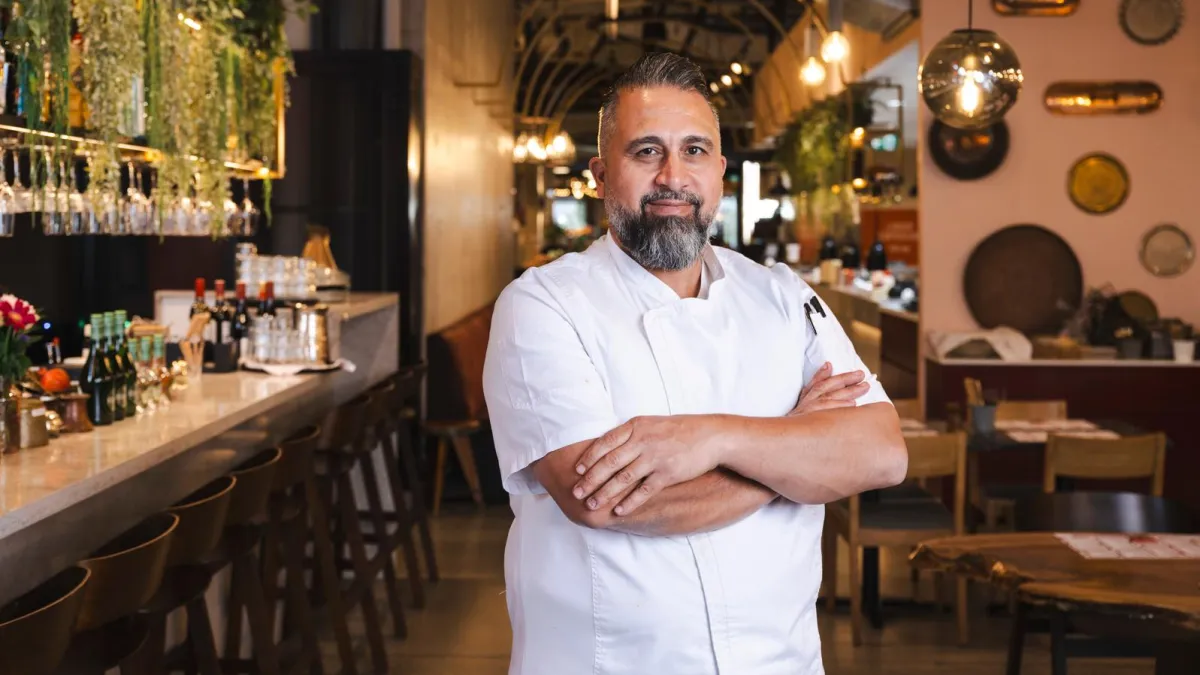
Jorge Ballas, founder and culinary director of Beirut Street Food, told QSR Media about how he founded the brand and why he believes Beirut Street Food could be Australia's next go-to fast-casual chain.
Tell me about how you founded Beirut Street Food, and what the initial gap or opportunity you saw in Australia's hospitality industry.
We began by developing the Brand Manifesto because, after living in Australia for more than 30 years, it was clear that a Lebanese street food concept was missing from the hospitality scene. Once we had defined the brand and manifesto, we started searching for the right location in Sydney. When the Marrickville site became available, we knew it was the perfect place to bring the concept to life. That’s where the journey of our first physical restaurant began, and because it's been well received, we have plans to expand this street‑food model across Australia.
You grew up in Iraq and started experimenting in kitchens from a very young age. How has your early culinary journey shaped the concept and philosophy of Beirut Street Food today?
I’ve always been passionate about food since childhood. I grew up learning to cook in my mum’s kitchen, and by the age of six, I’d bought a small popcorn machine and was selling popcorn on the street in Iraq, where my love for food and instinct for business came together.
I lived in Iraq, Syria, and Lebanon, and my cooking has been shaped by the region's flavours, traditions, and street food culture, especially in Lebanon. Beirut Street Food is a reflection of those experiences, of eating in the streets of Lebanon, where I believe some of the best street food in the world is found, and I knew I wanted to bring that style of Lebanese street food to life one day, and Australia became the place where that vision happened.
Your menu features in-house hummus and other traditional Lebanese street foods—how do you maintain authenticity and quality while operating at a fast-paced, high-volume QSR level?
The authenticity of Lebanese cuisine is the starting point for every decision we make and the foundation of everything we do. It's rooted in precision, freshness, and tradition, so we built our entire QSR model around those principles. That means investing in the right people, the right prep systems, and the right workflows to ensure every item is made in‑house and to a standard, even at peak volume. We staff intentionally to support the daily production of our in-house-made hummus, falafel mix, freshly cut, handmade parsley for tabouli, and marinades. Time management and advanced prep aren’t just operational tools for us, they’re what allow us to honour the cuisine while still moving at the speed a busy QSR demands.
How have you approached pricing to make it accessible for customers while keeping the business model profitable?
We do that by being disciplined with our cost structure, for example, streamlining prep, managing labour cost and sourcing ingredients smartly without ever compromising quality. Because we produce so much in-house, we can control consistency and costs, allowing us to offer competitive menu pricing and value to customers while maintaining healthy margins. We understand our numbers, how to engineer our menu properly, and how to run a tight QSR operation, so we can provide authentic, high-quality food at price points people can enjoy regularly and for whatever budget they have, for example, a Manoush for $6 or Lamb Shawarma at $36.
How do you position yourself as a different Lebanese themed restaurant amidst some very famous chains currently making headlines in the market?
We’re not a charcoal‑chicken brand, and we’re not trying to be. Lebanese cuisine is incredibly diverse, and our menu reflects the street-food culture of Beirut: falafel, kofta wraps, lamb shawarma pockets, and the everyday classics you’d find being served from small stalls and family-run shops across Lebanon. The name Beirut Street Food demonstrates exactly what we offer: the flavours and dishes people in Lebanon actually eat on the streets.
What experience or feeling do you want guests to have when they visit a Beirut Street Food location, and how does that translate into your menu design and service model?
We want our guests to feel the warmth of genuine Lebanese hospitality, which is a combination of welcoming someone and feeding them generously, making them feel valued, and treating them like family. That spirit is at the heart of Beirut Street Food, and our menu and service model are built around that philosophy. Portion sizes are abundant, and the service is personable, friendly and very welcoming.
Looking ahead, how do you plan to scale Beirut Street Food, and what would be your key priorities in the next 12 to 18 months?
We’re actively looking for the right sites in Sydney and interstate to continue expanding the brand. Depending on the location and surrounding environment, we may open either a full dine-in fast-casual version of Beirut Street Food or a takeaway-only model. Our goal is to scale thoughtfully, not just quickly, and we have plans to open at least three new venues over the next 12–18 months.