Selective consumers force a reset in QSR strategy says Urban Barista CEO
Operators are being pushed to simplify menus, improve efficiency, and sharpen brand identity.
Quick-service restaurant brands are facing a tougher balancing act as consumers become more selective with spending, whilst still demanding better quality, faster service, and stronger brand experiences.
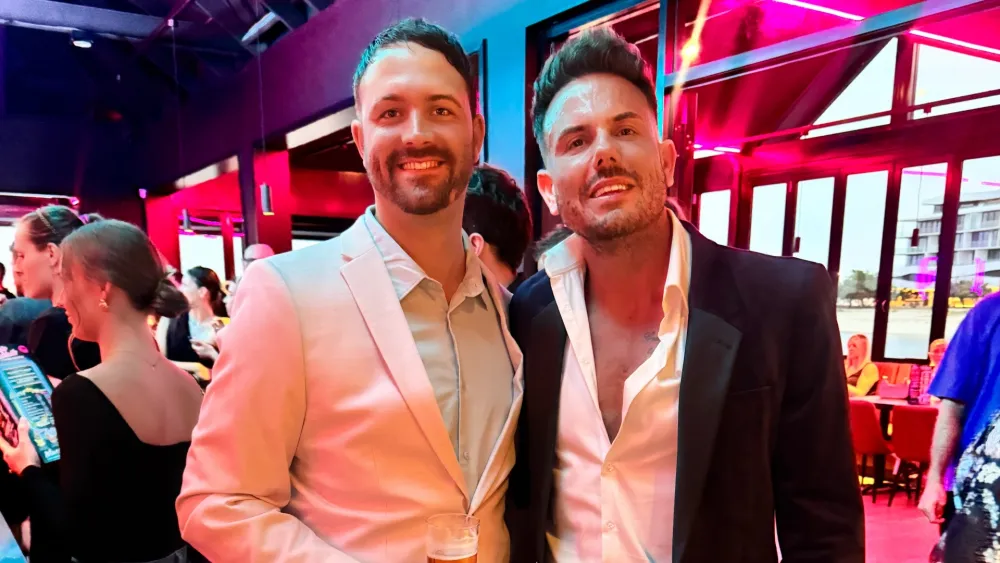
Ahead of the QSR Media UK Conference & Awards 2026, Huw Wardrope, co-founder and CEO of Urban Barista, discusses how the company is responding through operational simplification, community-driven marketing, and a sharper focus on profitable growth over rapid expansion.
QSR Media: Looking back on the past 12 months, how would you describe the biggest shift in the QSR operating environment, and what has that required brands to do differently?
Huw Wardrope: The biggest shift has been the consumer becoming far more selective with where they spend money. People are still spending, but they expect quality, consistency, and experience every single time. Mediocre middle-ground brands are struggling.
At the same time, operators have had to deal with continued inflationary pressure across labour, utilities, occupancy, and supply chain costs, whilst consumers remain price sensitive. That has forced brands to become much sharper operationally. You can no longer hide behind growth alone.
Businesses need better labour productivity, faster service times, smarter site selection, stronger community engagement, and clearer brand positioning.
For us, it has reinforced the importance of building neighbourhood-focused stores with operational simplicity and strong unit economics rather than chasing scale for the sake of scale.
Another big shift is that hospitality brands now have to behave more like media brands. Social content, community events, run clubs, and local engagement are no longer optional. They are part of customer acquisition.
As brands simplify menus, refine promotions, and rethink formats, what operating or commercial decisions have had the biggest impact on your brand?
The biggest impact for us has been operational focus and simplification. In hospitality, complexity kills speed, consistency, and margins. We’ve spent a lot of time refining workflows, reducing friction behind the counter and focusing on products that genuinely drive sales.
Some of the key decisions have been designing stores to trade efficiently rather than just look good, keeping menus focused around high-performing categories, investing heavily into iced drinks and matcha as consumer habits evolve, building stores with lower capex and smarter layouts, and expanding through franchising with strong local operators
We’ve also focused heavily on premiumisation. Consumers are increasingly willing to pay for quality if the experience matches the price point. Community has been another major driver. Things like coffee raves, running clubs, and local activations create loyalty in a way traditional discount-led marketing no longer can.
What investments are you going to focus on for the brand, and what KPI targets can you share?
The biggest investments for us over the next phase are technology and operational systems, franchise infrastructure, training and people development, regional expansion outside London, and product innovation, particularly in iced and functional beverages.
We’re investing heavily into systems that improve consistency across the estate as we scale. The challenge with growth is maintaining quality whilst increasing speed and efficiency.
Training is also critical. We’ve built our Coffee Lab to improve barista development and franchisee training because operational execution becomes more important as you scale.
From a KPI perspective, we focus heavily on weekly like-for-like sales growth, labour percentage, store EBITDA, average transaction value, customer frequency and retention, speed of service, and franchisee profitability.
For us, profitable growth matters more than vanity metrics.
What will be the next major challenge for the industry, and how should it be addressed?
The next major challenge will be margin pressure combined with increasing consumer expectations.
The industry is entering a phase where weak operational models will be exposed. Rising wages, occupancy costs, and compliance requirements are making inefficient businesses very difficult to sustain.
At the same time, consumers expect better quality, faster service, strong digital engagement, better environments, and more convenience.
Brands will need to address this through operational discipline, smarter technology adoption, simplified menus, better labour management, and stronger brand identity.
I also think there will be increasing pressure around differentiation. There are a lot of coffee brands now, but very few genuinely stand for something unique.
Looking ahead to the next 12 to 24 months, what will separate the brands that keep gaining share from those that fall behind?
The brands that continue gaining share will be the ones that combine strong operational execution with genuine brand connection.
I think there are five things that will separate winners: clear identity, where consumers need to instantly understand what your brand stands for; operational excellence, where speed, consistency, and labour efficiency will become even more important; community, where the best brands are building emotional connections, not just transactions; scalable economics, where the brands that survive long-term will be the ones with strong unit economics and sensible expansion strategies; and ability to evolve, where consumer habits are changing quickly, particularly around iced beverages, health-focused products, and convenience, and brands that adapt fastest will win.
Ultimately, hospitality is still about making people feel good. The brands that deliver a consistently great experience whilst running disciplined operations will continue to take market share.
Hear more from Huw at the QSR Media UK Conference & Awards 2026 on 22 June at the Park Plaza Victoria, London, UK. For more information, please click this link.