Middle Eastern restaurant market set to reach $58.4b by 2034
This translates to a 6.7% CAGR from 2026 to 2034.
The global Middle Eastern restaurant market was valued at $32.6b in 2025 and is forecast to reach $58.4b by 2034, according to Market Intelo.
That implies a compound annual growth rate (CAGR) of 6.7% between 2026 and 2034.
The growth is linked to shifting consumer tastes, rapid urban population growth in major economies, and rising demand for halal-certified food.
Middle Eastern cuisine—which includes Lebanese, Turkish, Persian, Egyptian, and Moroccan traditions—has moved from being a niche ethnic segment to a more common option in mainstream dining across North America, Europe, and Asia-Pacific.
Regionally, the Middle East and Africa accounted for the largest share in 2025 at about 34.2% of global revenue, or roughly $11.1b.
Saudi Arabia is the largest national market in the region, supported by government-led investment in tourism, entertainment, and hospitality under Vision 2030.
In the United Arab Emirates, cities like Dubai and Abu Dhabi have become major hubs for both tourists and expatriates, sustaining demand for Middle Eastern and international dining.
Qatar has also seen increased restaurant activity following the World Cup-driven tourism expansion.
Egypt’s large population and growing middle class support a strong casual dining and street food sector, whilst Lebanon continues to exert an outsised influence on regional and global Middle Eastern menus despite economic challenges.
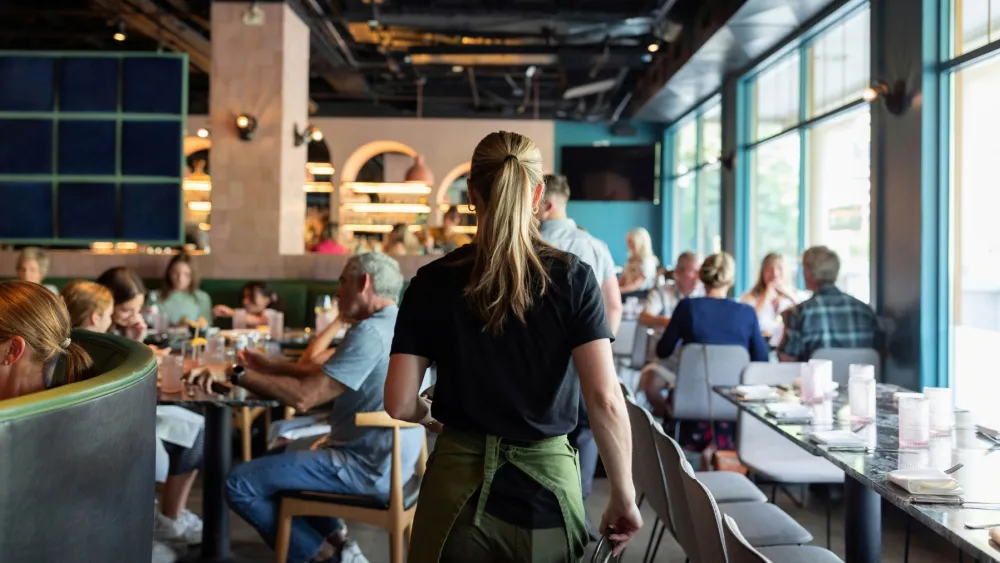
By service type, dine-in restaurants accounted for the largest share in 2025 at 38.5%, reflecting the importance of shared meals in Middle Eastern dining culture.
Full-service restaurants in mid-range and premium segments rely heavily on dine-in traffic, where higher spending per customer is often driven by add-ons such as drinks, desserts, and shisha.
Major cities, including Dubai, Riyadh, London, and New York, continue to support established dine-in restaurant scenes.
This segment is expected to grow at a CAGR of 5.8% through 2034, but at a slower pace as more consumers shift toward off-premise options.
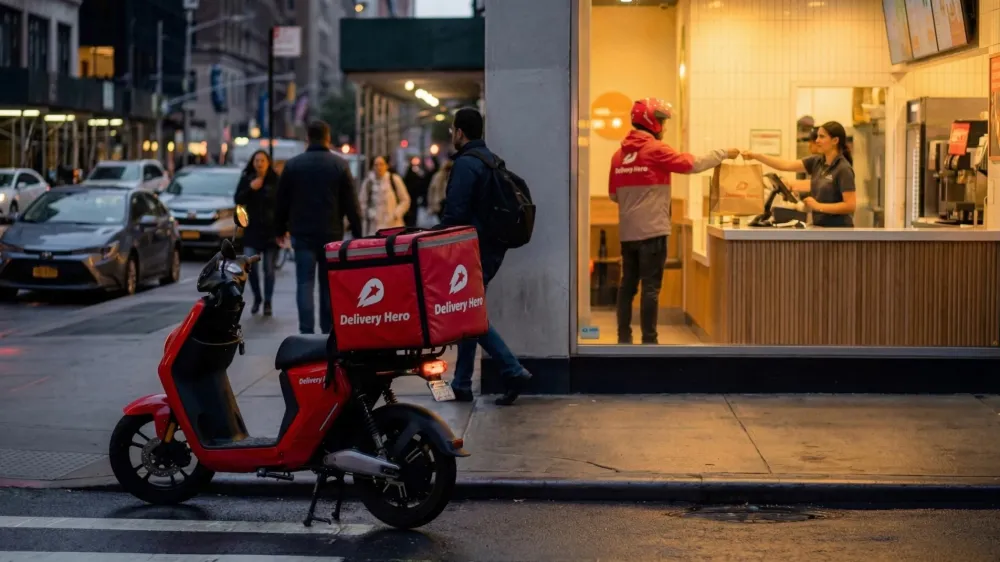
Delivery is the fastest-growing channel, projected to expand at 8.9% annually through 2034.
In the Gulf Cooperation Council (GCC), platforms such as Talabat and Careem have helped drive demand, with Middle Eastern food consistently ranking among the most-ordered cuisine categories.
Takeaway accounts for 21.4% of the market, largely driven by quick-service and fast-casual outlets selling items such as shawarma, falafel sandwiches, and mezze boxes.
Catering makes up about 10.6% and is growing steadily, supported by corporate events, weddings in diaspora communities, and institutional contracts with schools, hospitals, and government facilities across the GCC.