UK restaurant chains rethink menus as weight-loss drugs reshape demand
Operators cut portions and test alternative store formats amidst cost pressure.
UK quick-service restaurant (QSR) chains are adjusting menus, portions, and expansion strategies as weight-loss drugs begin changing eating habits and customer traffic patterns.
Shannon Goldsmith, a senior insight analyst at the Institute of Grocery Distribution, said weight-loss drugs such as Ozempic and Wegovy are already affecting portion sizes and visit frequency across the sector.
“The focus has been on efficiency—in energy costs, tighter staffing models, reduced trading hours, and automation—but there is only so far operators can go,” she told QSR Media UK.
Goldsmith said operators are also responding by shifting towards smaller portions, lower-calorie meals, and nutritionally denser products.
The changes come as the UK QSR sector grew 2.1% year on year, bucking a 4.4% decline in full-service restaurants. However, overall market growth of 4.9% missed the Institute of Grocery Distribution’s forecast of 5.2%.
Goldsmith said rising labour costs and business rates continue to pressure operators, whilst weaker consumer confidence limits spending.
She added that restaurant chains are facing growing competition from retailers expanding into food-to-go offerings.
Expansion remains a priority for many operators, but limited retail space is creating challenges, Goldsmith said ahead of the QSR Media UK Conference & Awards 2026 on 22 June in London. “If space is limited, operators need to look for alternative locations,” she added.
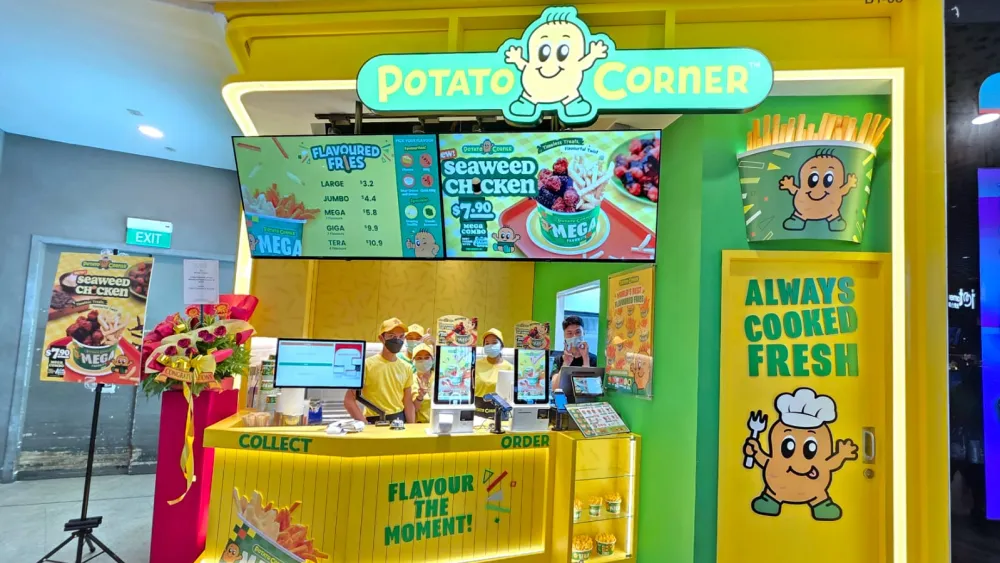
Restaurant chains are increasingly testing formats in travel hubs, healthcare facilities, schools, and workplaces.
Goldsmith said adaptability is becoming more important than scale alone as operators respond to changing consumer behaviour. “The brands that can quickly pivot to the latest trends will be the long-term winners,” she said.