UK QSR chains shift focus to value as costs rise
Expansion in 2026 is continuing, but more cautiously.
UK quick-service restaurant (QSR) operators are heading into 2026 bracing for another year of tight household budgets, higher costs and changing ideas of value, forcing brands to narrow their focus on what drives repeat visits and sales.
Analysts said the next phase would focus less on bold expansion and more on clearer value offers, stronger loyalty and quicker menu changes that appeal to cautious consumers.
Price increases remain the key pressure shaping decisions. Maria Vanifatova, CEO at Meaningful Vision Ltd., said food inflation is set to run well ahead of headline inflation again next year, keeping pressure on prices and margins.
“In 2026, inflation in fast-food will be around 5%, while official average inflation is predicted at about 2.6%,” she told QSR Media UK. That gap, she added, means value offers will stay in demand as consumers scrutinise every purchase.
Operators are responding by shaping menus around clear price anchors. Vanifatova said deals and promotions are becoming more important, with brands developing menus at both ends of the price range.
Lower-priced items aim to keep customer numbers up, whilst premium options help margins from shoppers willing to pay more. Mid-range items risk being squeezed as consumers become more selective, she said via Zoom.
Rhiannon Scarlett, a senior marketer at TGI Fridays UK Ltd., said value-led mobile apps have become standard across the sector, but many fail to create real loyalty.
“Everyone is promoting their app to drive value, but I would question how well this is being done,” she said in an emailed reply to questions. “Are you truly building loyalty with your consumers?”
Discounts alone, she added, are not enough to keep customers coming back.
Some operators are putting more money in formats that offer faster, steadier returns. Nicola Knight, head of Away From Home at IGD Services Ltd., said drink-led concepts are gaining ground as consumers stay cautious with food spending.
Drinks are seen as a small, affordable treat, are cheaper to open, need less equipment and can adapt quickly to flavour trends, often with stronger margins than food-heavy formats, she pointed out.
“Investing in technology must be a top priority,” Knight said, though testing remains critical. Rolling out new systems too quickly can disrupt operations, she said, at a time when operators can’t afford mistakes.
The emphasis is on tools that improve efficiency and consistency rather than flashy features. Some brands say this discipline is already paying off.
Anat Davidzon, managing director at Chipotle Mexican Grill, Inc., said a focus on execution has helped lift performance in the UK. “We have made strong progress in culinary and operational execution, and we continue to grow [in same-store sales], margins, and cash-on-cash returns,” she said in an emailed response.
For 2026, Chipotle plans to invest in building brand awareness, speeding up menu development and strengthening loyalty efforts. “In a climate where cautious consumers are seeking deals, we need to clearly demonstrate the quality and value of our food,” Davidzon said, adding that staff development remains part of that effort.
Expansion is continuing, but more cautiously. Operators said they are still opening outlets, though plans are increasingly shaped by pressure on consumer spending.
Knight said pressure on household income is likely to persist. The Office for Budget Responsibility expects growth in real disposable income per person to slow sharply in the next few years, a backdrop that keeps value-seeking behaviour firmly in place.
‘Maximum satisfaction’
Vanifatova said recent traffic data reflect that caution. Tracking about 200 large UK chains, she said customer visits rose just 1% in the first nine months of 2025, mostly due to new openings rather than stronger demand.
Casual dining has fared worse, with customer traffic down almost 6%, she said. Within quick service, however, performance is uneven. “Premium fast food is growing faster than mass fast-food,” she said, suggesting that some consumers are willing to spend more if they see a clear payoff.
Competition is also intensifying around specific occasions, especially breakfast. Knight said breakfast is set to become even more crowded in 2026 as operators chase frequency and morning spending.
Davidzon said Chipotle is sticking to proven urban locations and plans further openings in central London, including Stratford, rather than pushing aggressively into untested areas.
Menu decisions are increasingly shaped by cost pressures and consumer expectations around satisfaction. Vanifatova said health-led trends have limited influence in core fast-food occasions. Plant-based items remain niche.
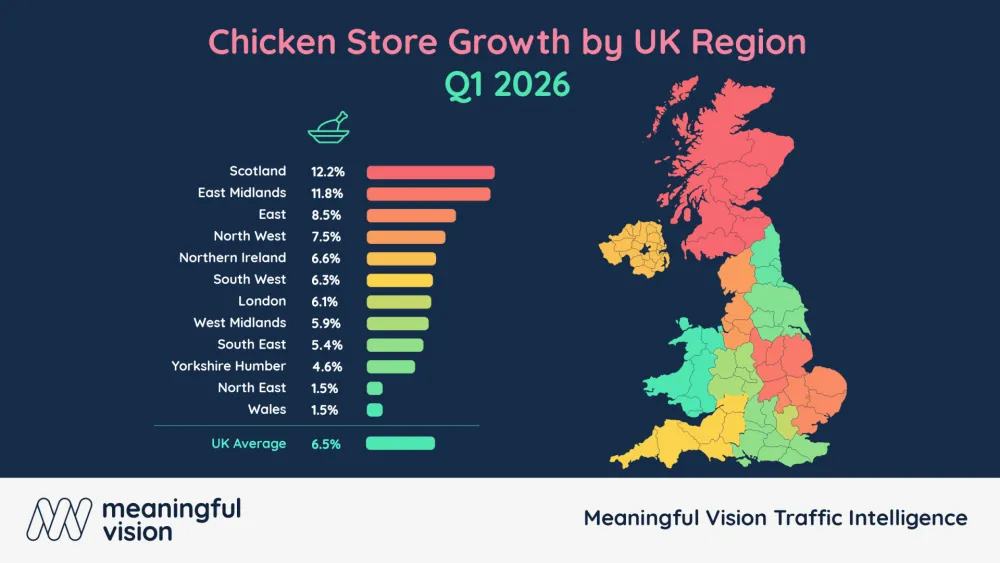
Rising beef prices, she added, are making chicken more attractive as a cheaper and flexible protein.
Consumers, she said, are not simply cutting spending. “They are looking for maximum satisfaction for their pound.” That has pushed brands toward limited-time items and faster innovation cycles, even if predicting success has become harder in a social-media-driven market.
Scarlett said viral menu ideas often generate attention without lasting sales. Novelty can drive clicks and conversation, she said, but does not always convert. Brands that stand out through flavour, such as Nando’s, Leon and Boojum, continue to perform strongly, whilst dessert-focused concepts are gaining momentum by offering affordable indulgence.
She added that menu planning should reflect how people eat across the day, with more spontaneous treat-led visits replacing rigid meal patterns.
For 2026, operators said the priority is focus. Rather than chasing every trend, brands are choosing those that fit their positioning and customers.
Vanifatova said that in a year defined by selective spending, those that are clear on value, disciplined on expansion and decisive on innovation are likely to fare best.