Could the rise of self-service technology affect QSRs?
7 in 10 Australians prefer self-service as checkout options.
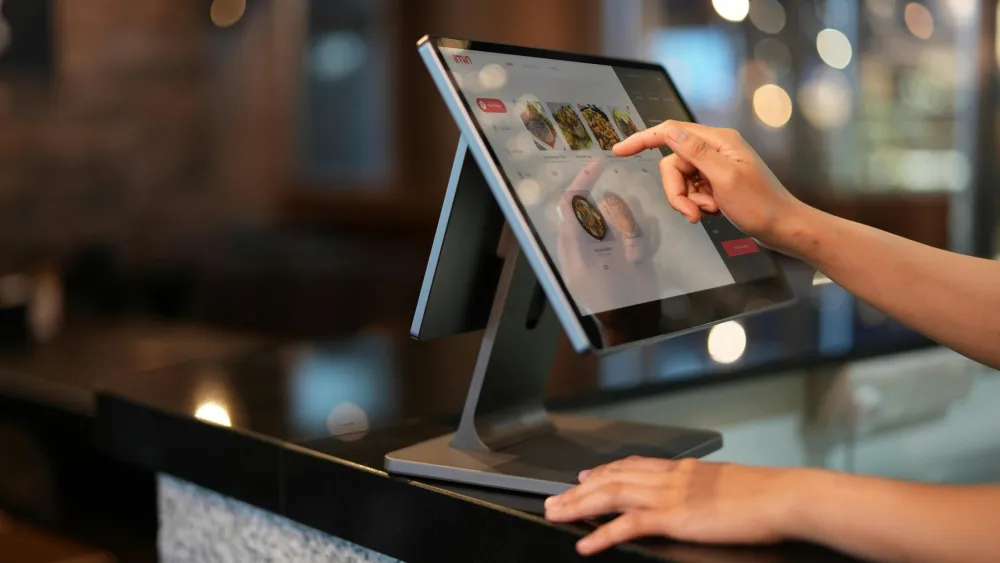
Self-service technology is rapidly transforming how Australians order and pay in quick-service restaurants (QSR), with kiosks emerging as a key tool for enhancing speed, flexibility, and convenience.
According to IDC’s “The Evolution of Self-Service in Australia” report, in-store expectations are changing rapidly, with shoppers increasingly prioritising speed, privacy, and control at checkout, with 69% of Australian consumers preferring self-service as a leading checkout option.
“Today’s shoppers don’t want to wait, won’t compromise on privacy, and won’t tolerate rigid checkout experiences,” IDC notes, highlighting the pressure on retailers to modernise their point-of-sale operations.
The top challenges driving the uptake of self-service include checkout delays (33%), security and privacy concerns (32%), and limited flexibility at the counter (32%). Meanwhile, consumers cite ease of use, speed, privacy, and flexible payments as the main reasons they prefer self-service, suggesting that kiosks can deliver a more seamless and satisfying experience when properly implemented.
This trend is reinforced by Fonto’s QSR data, which shows that digital ordering now accounts for 53% of all orders, including self-service kiosks, brand apps, and QR code menus.
Leading QSR brands are heavily investing in these channels, with Domino’s and Pizza Hut recording 83% and 79% of orders digitally, and KFC (62%), McDonald’s (54%), and Hungry Jack’s (53%) also seeing more than half of orders come via digital platforms.
Of particular note is the rise of branded apps, with 21% of all QSR orders in the December quarter placed via brand apps, including Guzman y Gomez, highlighting the increasing role of self-service technology in the overall customer journey.