Low‑capital sites offer growth lifeline for UK restaurants amidst closures
YouMeSushi is banking on a low‑setup‑cost model to stay afloat.
Smaller, low‑cost restaurant formats could be the next growth play for quick‑service brands in the UK, as the food service sector continues to face rising costs and record closures.
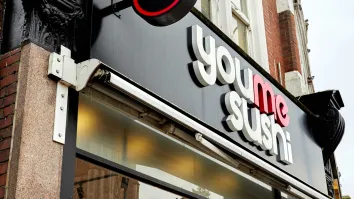
UK-based Japanese chain YouMeSushi is banking on a low‑setup‑cost model to stay afloat.
Accommodation and food service closures hit a historic 3,353 in 2025, according to Buchler Phillips Ltd.
Gadi Korine, founder of You Me Sushi Trading Ltd., told QSR Media that their approach keeps risk low for both the brand and franchise partners.
“We recently opened a shop with a fitout of around $120,000 which is very low,” he said via Zoom. Costs can vary, but it’s still minimal compared with standard London prices, he added.
Industry data shows opening a London restaurant can cost £2,000‑£4,000 per square foot, meaning a 60 sq metre café could run £150,00 to £250,000, whilst a 150 sq metre site may reach £300,000 to £600,000, according to Accanto Interiors Ltd.
Closures have continued into 2026. Casual dining chain TGI Fridays UK Ltd. shut 16 restaurants early this year, costing 456 jobs. Mediterranean fast‑food chain LEON Restaurants Ltd. closed 20 locations after reporting £7m to £10m in trading losses.
Korine said consumers have not stopped eating out but have become more selective. This means redesigning the menu so their brand becomes the obvious choice, he added.
YouMeSushi sales rose 14% year-on-year to £19m in 2025, driven by strong in-store performance. Hot food sales have performed especially well amidst unusually rainy and cold UK weather, Korine said.
The brand plans at least 12 more openings and is expanding its kiosk format from two locations, targeting areas outside Greater London and the M25.
To boost spending, YouMeSushi is rolling out a loyalty programme in partnership with Vita Mojo International Ltd. and relaunching affordable sushi bento boxes starting at £5.
“I think operators will look at value with quality,” Korine said. “It’s not about discounting anymore,” he added, highlighting the shift toward low-cost, high-quality models as a buffer against rising expenses and cautious consumers.