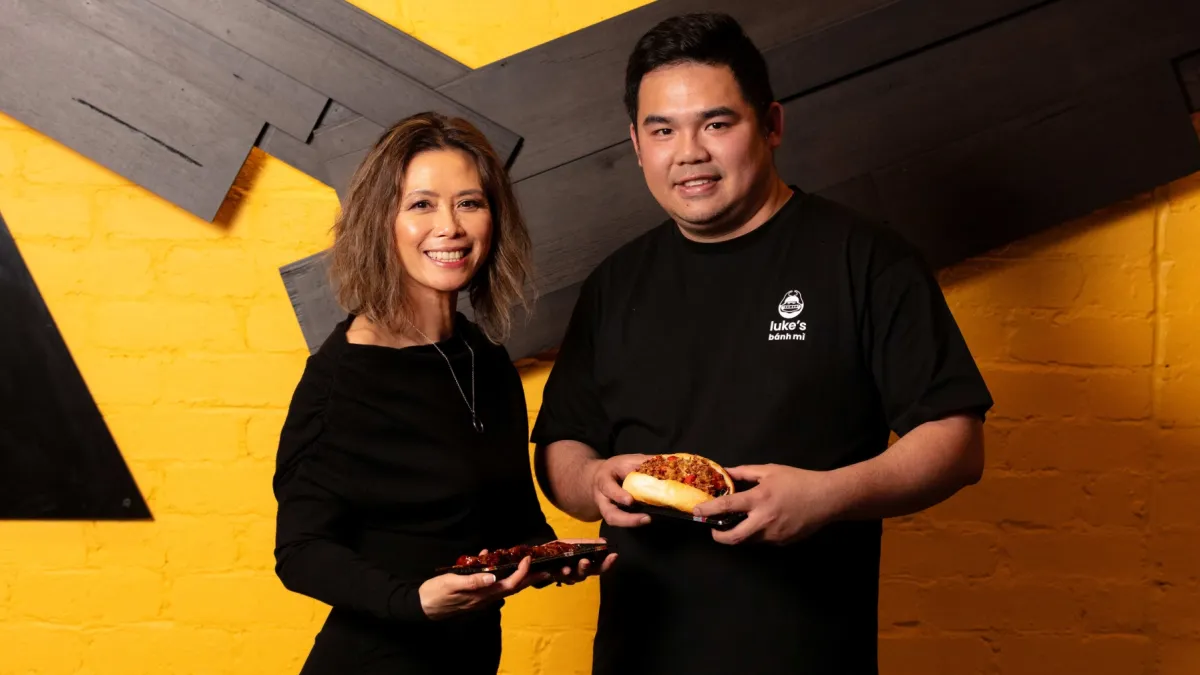
Budget-conscious diners turn to Luke’s Bánh Mi
The chain plans to expand through franchise conversions, not greenfield sites.
Australia’s cost-of-living pressures are pushing more diners toward cheaper but filling meals, helping boost demand for Vietnamese sandwich chain Luke’s Bánh Mi even as discretionary spending weakens.
Founder Luke Vu said consumer spending briefly slowed as the Iran war erupted in February, though demand later stabilised.
“We haven’t seen a big spike in supplier pricing, but we do know that energy costs have impacted the customer side,” he told QSR Media via Zoom.
The comments come as Australians cut back on dining and delivery spending. A fourth-quarter 2025 GlobalData Plc survey found 52% were worried about their finances, whilst Middle East tensions continue to keep energy costs volatile.
National Australia Bank Ltd. said in a March report that 60% of consumers were eating out less in the first quarter, up from 48% a year earlier. The share of consumers reducing food delivery spending also rose to 42% from 33%.
“We’ve actually benefited from it because we’re perceived as value for money,” Christina Murrell, general manager at Luke’s Bánh Mi Franchising Pty Ltd., said in the same Zoom call.
The Australian Restaurant and Cafe Association Ltd. warned in March that higher transport costs were squeezing hospitality operators, urging businesses to consider fuel surcharges of as much as 5% to offset freight expenses.
Luke’s Bánh Mi said diners are still willing to spend when meals are viewed as substantial and affordable. The chain’s average ticket size ranges from $15 to $18, supported by add-ons and meal deals.
“Our vegan menu has also increased our sales numbers,” Vu said.
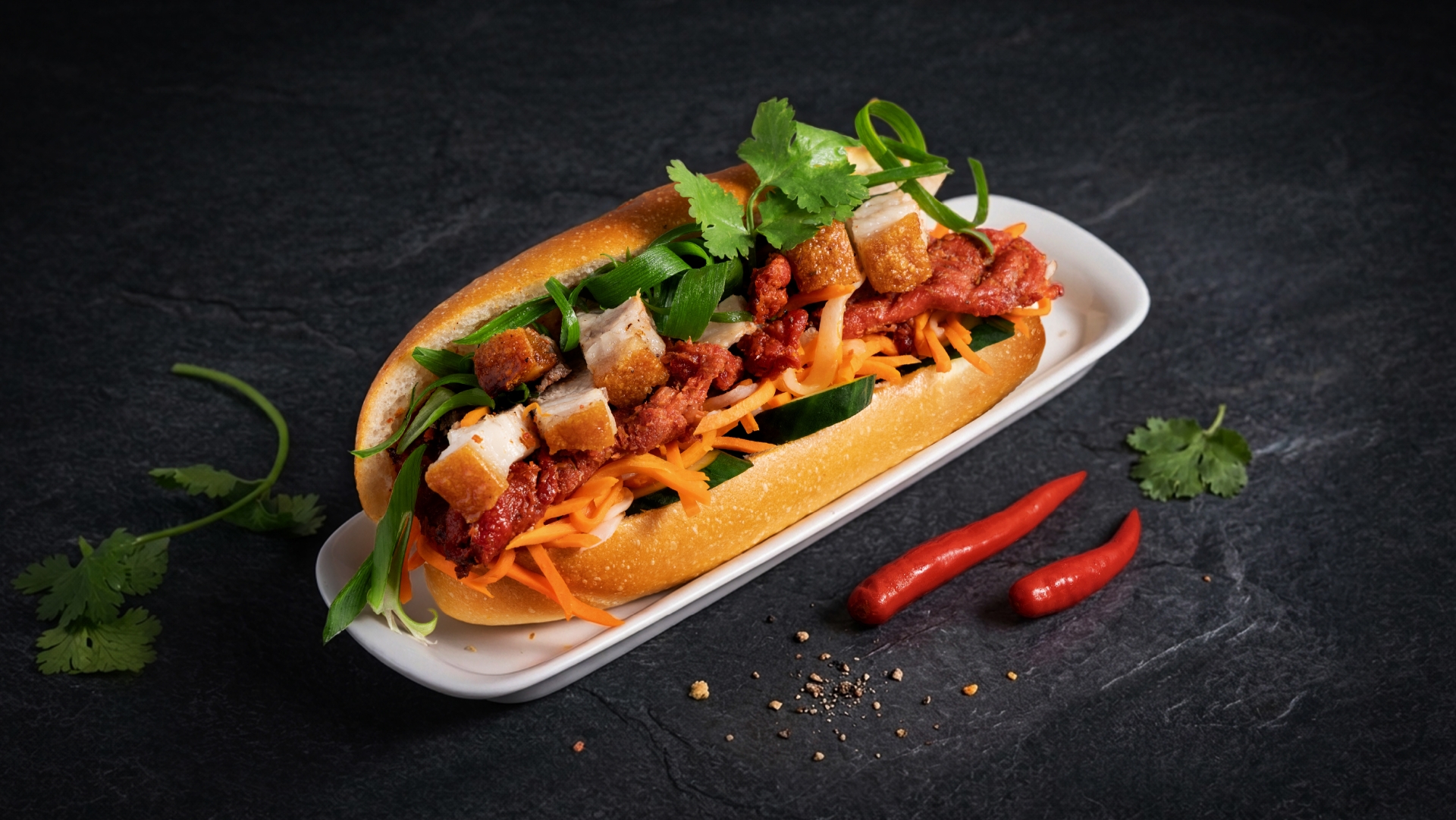
The Victoria-based chain operates five bakeries, with a sixth outlet set to open in June. Vu said weekly sales per store range from $30,000 to $75,000.
First launched as Luke’s Vietnamese, the business later repositioned itself as a bakery-focused bánh mì chain, baking bread fresh in-store for its sandwiches.
Murrell said labour remains the company’s biggest challenge, particularly because stores require experienced staff and Vietnamese-speaking employees. “We want staff who understand quality over shortcuts,” she said.
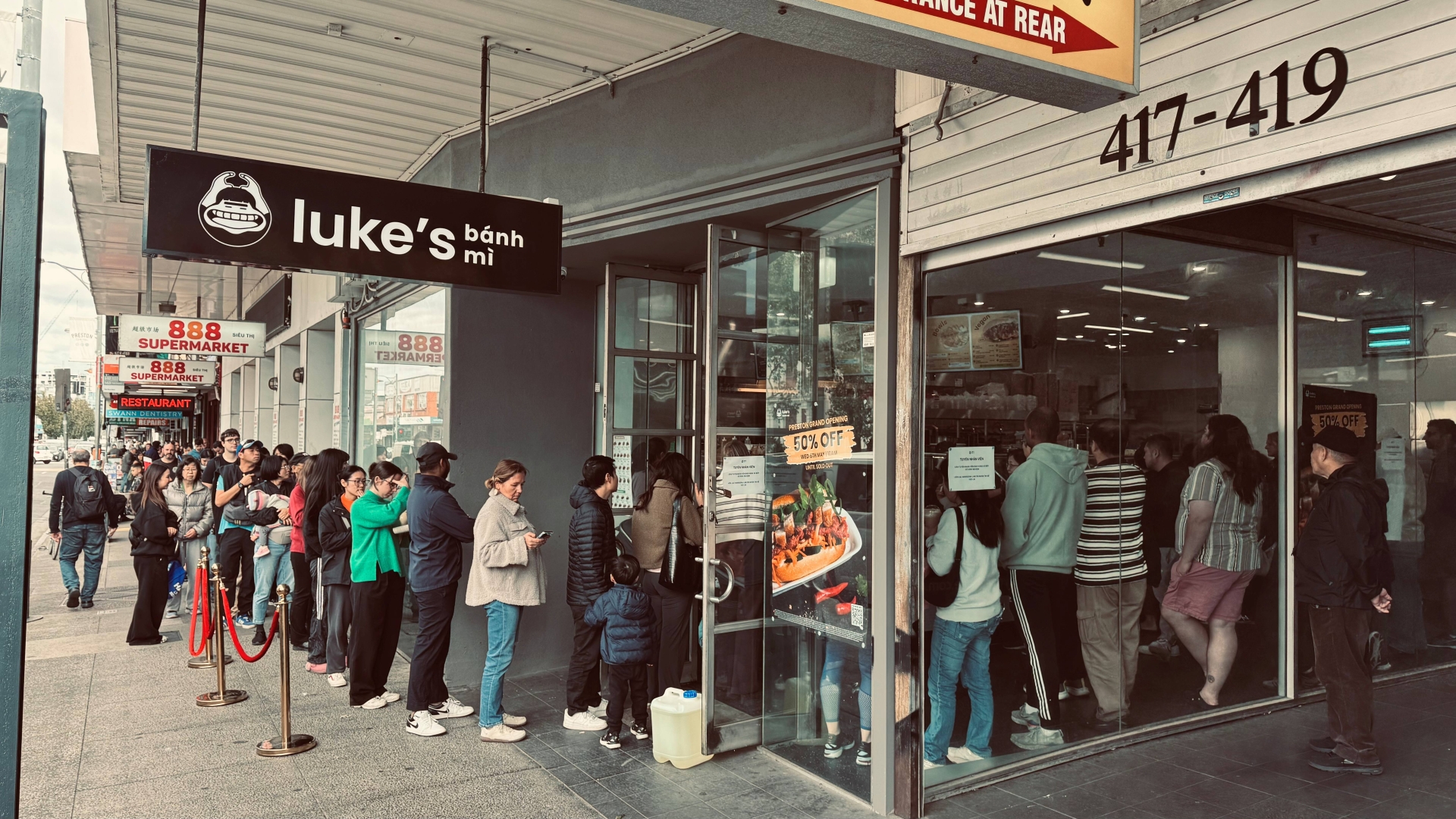
The company’s expansion has so far been self-funded. Alongside its Melbourne operations, the group will open a flagship restaurant on Lonsdale St in Melbourne's central business district in June, and is onboarding franchise partners as it works toward a target of 30 sites by 2027.
Murrell said expansion would focus less on opening entirely fresh stores and more on converting existing bánh mì and bakery operators into franchise locations.
The strategy targets independent bakery owners looking for stronger branding, systems and operational support as competition and cost pressures intensify across Australia’s dining sector.