Genki bets on takeaway to drive global growth
It bought Australia’s Sushi Sushi to further its growth in Western markets.
Genki Global Dining Concepts Corp. is shifting its growth playbook from conveyor belts to grab-and-go counters, betting that takeaway sushi—not dine-in—will drive its next phase of expansion.
The Japanese operator, known for its Genki Sushi chain of conveyor-belt restaurants across Hawaii, East and Southeast Asia, has acquired Food Odyssey Pty. Ltd., the parent of Sushi Sushi Australia Pty. Ltd., to strengthen its quick-service presence in Australia and use it as a springboard into additional Western markets
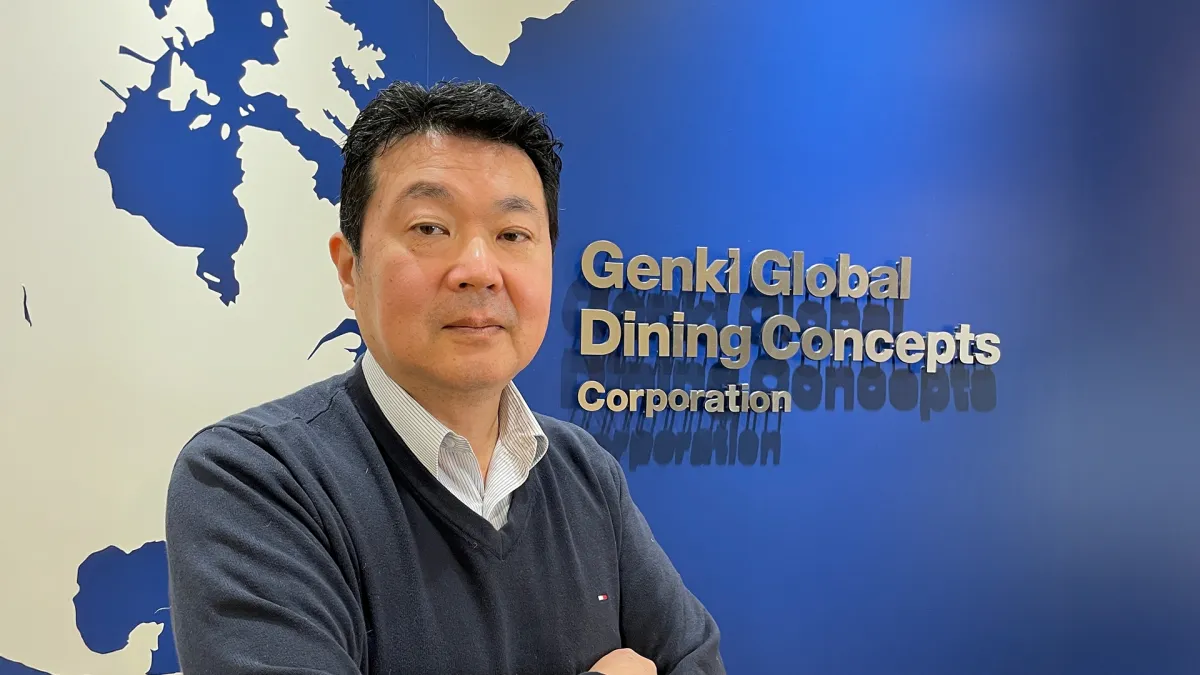
Koji Yamaguchi, senior manager of franchise business at Genki Global’s global business division, said changing consumer habits have altered the economics of restaurant growth.
“Takeaway is already booming worldwide,” Yamaguchi told QSR Media. “In developed countries, especially, lifestyles have changed rapidly in the past five to 10 years. People are very busy.”
Unlike Genki Sushi’s full-service outlets, Sushi Sushi operates smaller stores focused on takeaway, a format that typically requires lower capital expenditure and fewer staff. The model offers faster rollout potential in urban centres where rents and labour costs are high.
The global restaurant takeaway market is projected to reach $38.5b by 2036, according to Future Market Insights Global & Consulting Pvt. Ltd., supported by delivery platforms and automation in ordering and fulfilment. For Genki, the appeal is not just growth but format diversification.
The group’s overseas footprint remains concentrated in East and Southeast Asia, including China, Hong Kong, and the Philippines.
It has a limited presence in Western markets. Yamaguchi said the acquisition would help the company better understand consumer behaviour outside Asia.
“We do not have too many stores in Western countries right now,” he said, “Our first step is to comprehend through Sushi Sushi how sushi has been received in the Western dining scene.”
Sushi Sushi has begun pursuing overseas growth through franchise agreements, including a master franchise deal in Saudi Arabia, and is exploring opportunities for further international expansion. Genki is also considering the possibility of leveraging its franchise network in Asia as one of its expansion options.
Integration risks remain. Yamaguchi cited brand recognition outside Australia and securing a stable supply chain as key challenges.
The company plans to send personnel from Japan to Australia to align procurement and provide operational support, he added.
“We focus on sharing best practices. Genki will share its operational know-how, particularly in menu development and store operation, whilst learning from Sushi Sushi local consumer preference in the Australian market.” Yamaguchi said.