Kiosk design can more than double transaction uplift in QSRs
Redcat's study found how menu layouts, bundles, and checkout prompts influence kiosk results.
Quick-service restaurant (QSR) operators can increase kiosk-driven sales by optimising ordering flows, according to new research by Redcat.
Whilst kiosks are widely recognised for increasing average transaction size (ATS) and reducing labour dependency, the study found that execution—not the hardware itself—determines how much value operators capture.
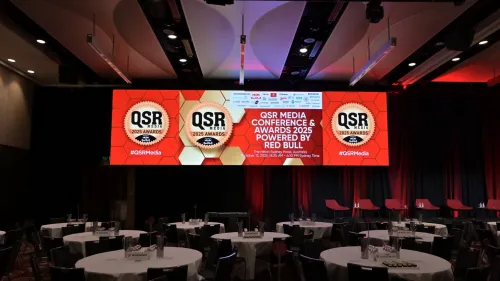
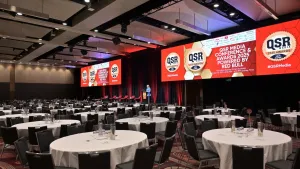
Speaking at the QSR Media UK Redcat Conference & Awards 2026 in London, UK, Steve Clement, global head of sales and marketing at Redcat's sales division, said operators in both the UK and Australia are facing similar economic pressures, including higher labour and supply chain costs, squeezed margins, and more value-conscious consumers.
As a result, many restaurant brands are focusing on menu engineering, loyalty programmes, direct ordering channels, and technology investments designed to drive incremental spending.
Against that backdrop, kiosks have become a key tool for boosting revenue. Industry benchmarks suggest kiosks typically increase average transaction values by around 15%, whilst maintaining consistent upselling and avoiding additional labour costs.
However, Redcat's analysis found performance varied widely across operators.
The company conducted a 12-month study comparing two similar Greek QSR chains with comparable store formats, pricing structures, locations, and kiosk deployments.
Researchers combined customer observation with transaction data analysis to identify what drove differences in performance.
One chain achieved a 23.36% increase in ATS through kiosk ordering compared to traditional point-of-sale transactions. The second recorded a 10.07% increase.
"The lesson was that it's not enough to simply install a kiosk," Clement said. "There's both a science and an art to getting the ordering experience right."
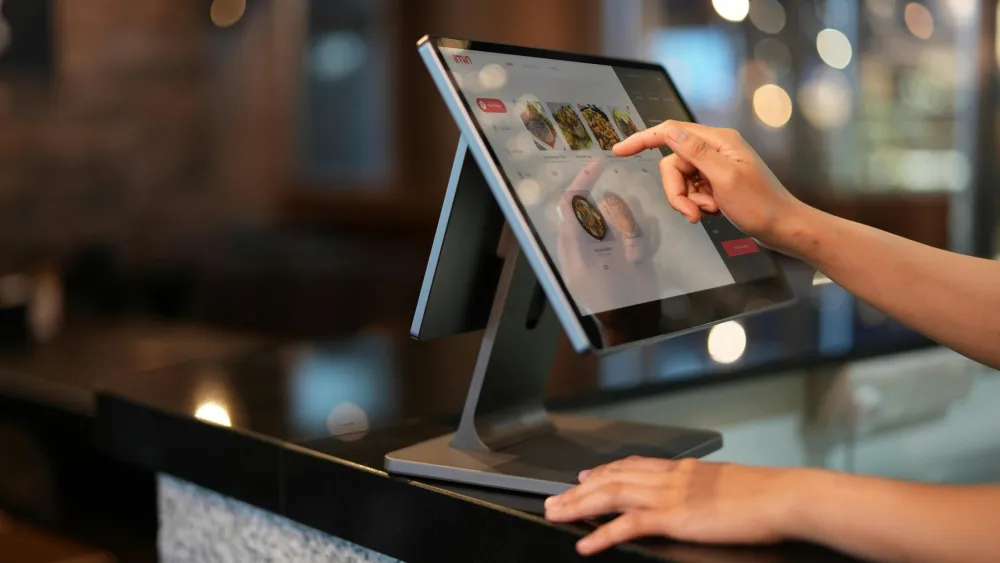
The higher-performing brand used larger food imagery, simpler navigation, and prominently featured meal bundles at the start of the ordering process.
By contrast, the lower-performing operator relied on dropdown menus that customers were less likely to explore and positioned meal upgrades later in the transaction journey.
"Installing the kiosk is only half the job," Clement said. "The way the ordering flow is designed has a direct impact on sales performance."