Convenience, “dirty sodas” and GLP-1 shift reshape QSR growth opportunities
Consumers expect brands to show up where they are when they want them.
Convenience-led consumption, viral indulgence trends such as “dirty sodas”, and rising GLP-1 adoption are emerging as key opportunity areas for the UK quick-service restaurant (QSR) sector, according to IGD, even as the wider economic backdrop remains subdued and growth expectations remain weak.
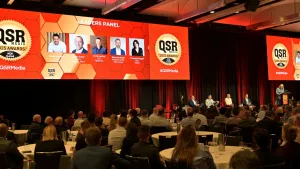
Speaking at the QSR Media UK Redcat Conference & Awards 2026, Shannon Goldsmith, senior insight analyst at the Institute of Grocery Distribution (IGD) said the economy has largely moved sideways, with limited prospects for strong sustained growth and continued pressure on household incomes following years of inflation.
She pointed to official forecasts showing only modest GDP expansion over the coming years, alongside slowing real income growth and weakening momentum in wages after a brief period of recovery.
Against that backdrop, Goldsmith said operators need to focus less on market expansion and more on capturing incremental opportunities within a structurally constrained environment.
She said convenience remains one of the most important drivers of future growth.
“Consumers are really expecting brands to show up where they are when they want them with the right products that they want at that time of day,” she said.
That shift, she added, is pushing operators towards more connected operating models across channels and formats.
“What that's really going to need is some sort of integrated multi-channel ecosystem that connects all those different touch points, so from stores to delivery to click and collect to travel hubs.”
Goldsmith pointed to operators such as Greggs as examples of brands already adapting through format and channel expansion, including smaller “bite-sized” stores designed for high-footfall locations such as train stations, motorway service sites and airports, alongside stronger digital and loyalty engagement.
Alongside convenience, IGD highlighted fast-moving indulgence trends driven by social media, particularly the rise of “dirty sodas” in the US.
The trend involves highly customised soft drinks built around brands such as Coca-Cola, Dr Pepper and Fanta, combined with syrups, creams and flavour additions, and amplified through platforms like TikTok and pop culture exposure. It reflects growing demand for novelty and personalisation in drinks occasions, particularly among younger consumers.
GLP-1
At the other end of the spectrum, Goldsmith also pointed to a growing health-driven behavioural shift linked to GLP-1 weight-loss medications, with adoption more than doubling between June last year and May this year.
Based on IGD’s research, users are visiting QSR outlets less frequently and adjusting their ordering habits, including smaller portion sizes and a greater focus on menu flexibility that better aligns with reduced appetites.
“One of the big sort of barriers to eating out for GLP-1 users is I can't finish my meal, that feels like a waste of money for me, and when we've seen how important that value and how important every penny spent is to consumers, being reflected in the prices is really important,” Goldsmith said.
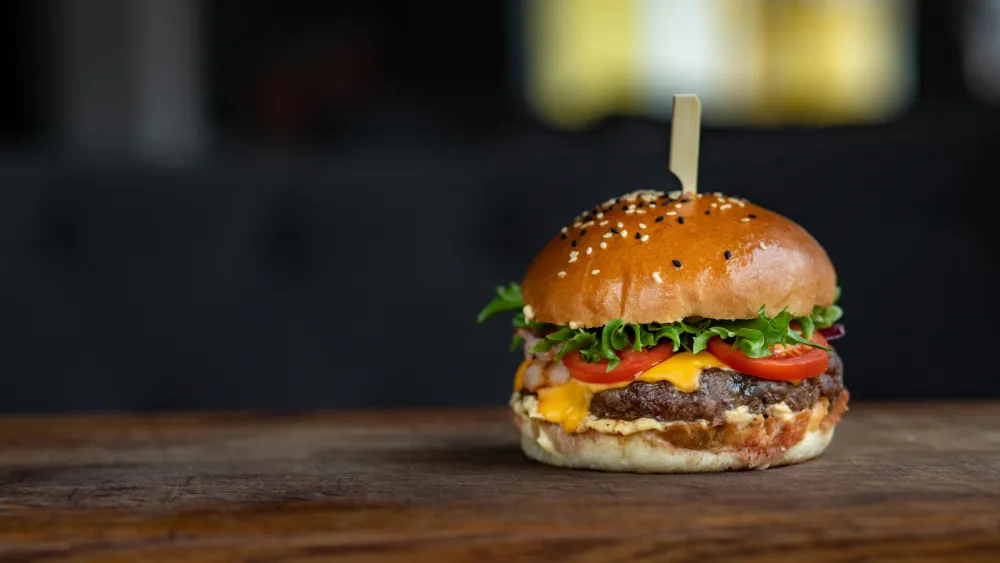
Goldsmith said QSR brands can adapt by making some simple changes, mentioning Five Guys strategy of swapping the burger buns for lettuce wraps.
“It's really improved that sort of calorie to protein ratio of the meal, offers a little bit of customization to help users stick to their diets and better suit their own needs, but hasn't added a load of extra complexity to the kitchen operations,” Goldsmith said.