Regional scale trumps immediate yield in Asia’s QSR sector
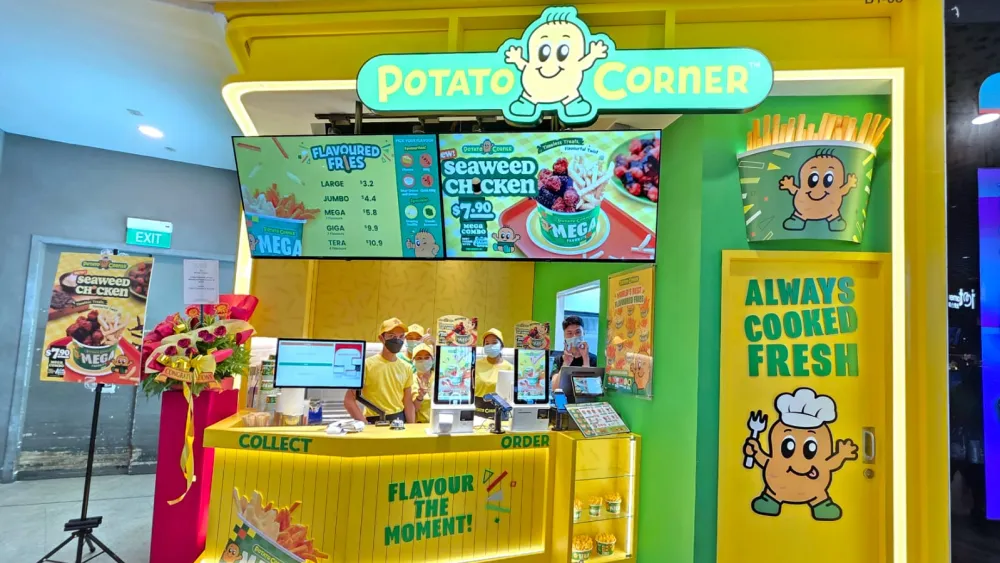
Chinese QSR brands have opened around 6,000 outlets across Southeast Asia.
Asia's quick-service restaurant market is undergoing a seismic shift as the rise of regional and Chinese brands forces traditional operators to prioritise market share and growth over immediate cash generation.
During a panel session at the QSR Media Asia Conference & Awards 2026 in Singapore, Steen Puggaard, CEO of Louis T Collection, said that since COVID-19, Chinese QSR brands have opened around 6,000 outlets across Southeast Asia.
On the other hand, Shaurya Ahuja, consumer products & retail, Ernst & Young Solutions, said countries such as Singapore struggle to compete in price-volume economics.
To address these challenges, the panellists said that local operators are increasingly exploring collaborative approaches, such as the house of brands model, where multiple brands operate under one umbrella.
“This strategy allows operators to capture multiple consumer occasions—from family meals to impulse purchases and beverages—while creating operational synergies and enabling international expansion,” Shaurya said.
The panellists also noted that the aggressive expansion of Chinese QSRs has also disrupted real estate dynamics.
Unlike traditional operators, these brands are less constrained by rent optimisation, creating pressure on competitors in prime locations.
Amit Manocha, group CFO of Everstone Group, said operators should just walk away from deals where competitors can outbid them for rent.
“What you can do is adopt a disciplined approach to site selection that balances profitability with growth potential,” Manocha said.
At the same time, the panellists agreed that success in this environment increasingly depends on innovation and consumer experience.
“In India, QSR operators have implemented table service via app ordering, where customers order from their phones and receive food at the table,” Manocha shared.
He said that this approach reduces labour costs whilst offering a premium experience, creating a win-win scenario that balances operational efficiency with customer satisfaction.
Further, successful QSRs are using technology and lifestyle-based partnerships to optimise operations and move beyond simple sales toward deeper, digital-driven consumer loyalty and brand engagement.
Strategically, all three panellists said that operators can stay relevant amidst shifting trends by adapting smartly to the dual pressures of rapid expansion by high-scale competitors and changing consumer expectations.