Chicken ranges grow 40% beyond specialist QSR chains
Burger and pizza brands are widening their chicken offer as visits rise 8.9%.
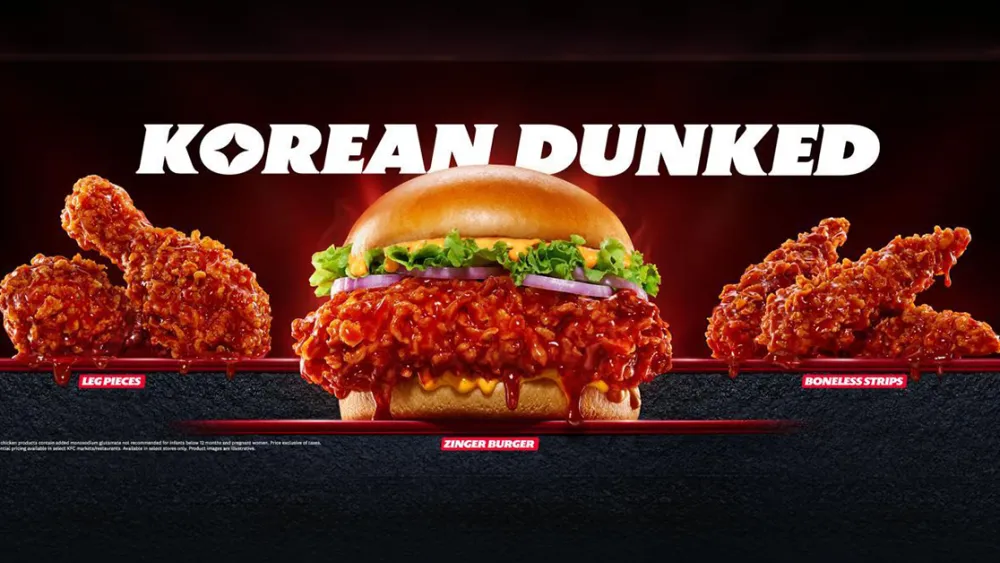
Chicken assortments in non-chicken fast-food chains grew by 40% between 2022 and 2026, according to Meaningful Vision data.
Over the same period, the number of tracked chicken fast-food chain restaurants rose from 1,521 to 2,125, also an increase of around 40%. The parallel expansion of chicken restaurants and chicken ranges elsewhere gives customers more places to buy wings, tenders and boneless bites.
The shift comes as chicken continues to outperform the wider market. Chicken shop visits increased 8.9% year on year in H1 2026, while overall fast-food traffic fell 0.9%. Ethnic cuisine was the only other fast-food segment to grow, at 4.2%.
Pizza and burger brands broaden their chicken offer
Domino’s launched Chick ’N’ Dip in a regional trial in September 2025 before rolling it out across its UK and Republic of Ireland stores in February 2026. The range includes tenders, wings and boneless bites, paired with nine dips.
Other pizza brands have followed Domino’s example by adding more chicken products to their menus. Chicken is becoming a larger part of the offer for operators traditionally associated with pizza, giving them more ways to compete for meals, snacks and sharing occasions.
Burger King UK launched Crispy Chicken Tenders nationwide in September 2026, with three new dipping sauces and sharing formats. Alongside its established chicken products, the addition gives the burger chain a broader offer for customers seeking chicken and dips.
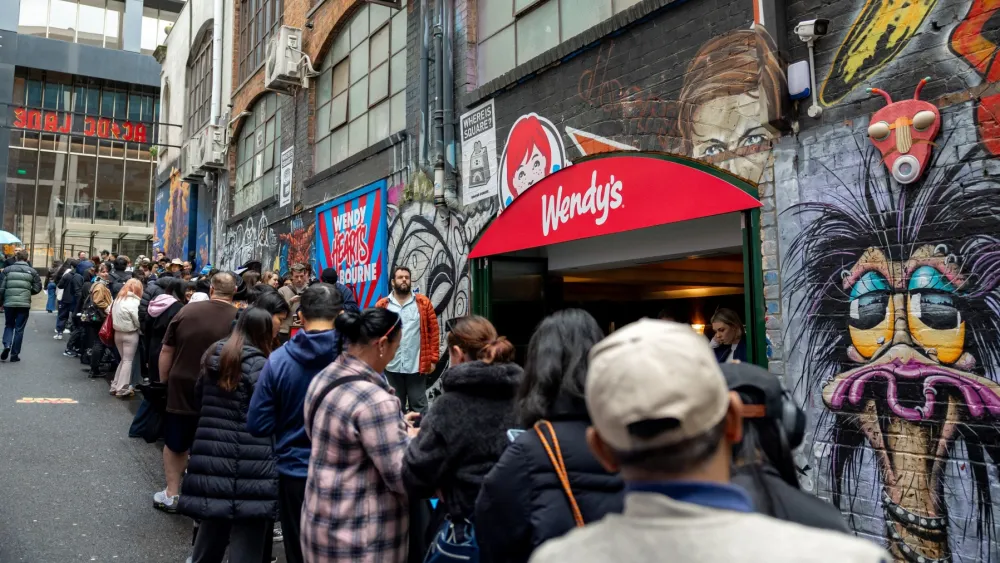
Wendy’s UK also offers chicken tenders, four chicken wrap varieties and chicken options within its Biggie Bag value deals. Burger and pizza operators are increasingly competing for customers who might previously have chosen a specialist chicken chain.
For chicken specialists, the competitive set now includes established brands with extensive delivery networks, recognised value offers and existing customer relationships. A new chicken range at a nearby pizza or burger outlet can change the choices available without a new chicken restaurant opening.
“Chicken’s growth extends well beyond specialist chains. Chicken restaurant numbers have risen by around 40% since 2022, but chicken ranges in other fast-food chains have grown by 40% too. Operators need to look at every brand competing for the same meal or sharing occasion. A nearby pizza or burger chain can become a more direct competitor when it adds tenders, dips and a compelling meal deal," Maria Vanifatova, CEO of Meaningful Vision, said.
Younger consumers are helping support the popularity of newer chicken brands, drawn to affordable meals and informal places to socialise. Their preferences help explain why sharing formats, distinctive flavours and value deals are becoming more prominent across QSR menus.
Why chicken is popular with young customers.
Employment pressures help explain the importance of value for some younger customers. The Office for National Statistics estimated that 981,000 UK 16 to 24-year-olds were not in education, employment or training in April to June 2026, an increase of 30,000 year on year. For those with limited spending power, the cost of meeting friends matters.
Affordable meals and a convenient social format help explain chicken’s appeal. Meals priced at £10 to £15 let younger customers eat and meet friends on a tighter budget. Wings, tenders, loaded fries and dips suit groups, while quick service and no booking requirement make informal visits easier.
US brands such as Wingstop, Popeyes and Dave’s Hot Chicken also appeal to younger audiences through TikTok visibility and bold flavours. Sauces, spice levels and limited-time offers give customers new products to try, while visually distinctive food and spicy challenges encourage social media interest.
The combination of price, convenience and experimentation makes the format well suited to how many younger customers want to spend time with friends. For operators, that means looking at the whole occasion, including sharing options, flavour choice and the total cost of a group order.
The wider QSR evening opportunity is growing. Visits after 6PM increased 5.1% in H1 2026. Although this figure covers all quick-service formats, it provides useful context for chicken operators assessing evening meals and group occasions.
Local competition should guide the response
Strong category growth does not mean every existing chicken outlet is gaining visits. New openings contribute to the total, and competition varies around each location. Operators should review nearby chicken menus alongside those of burger and pizza chains, rather than relying on national segment averages.
Priorities include tracking new chicken products, portion sizes, sauce ranges, and sharing bundles; comparing total meal prices across in-store, app, and delivery channels; and monitoring promotions alongside local traffic by daypart.