Taiwan regulator blocks Grab's foodpanda acquisition
FTC said the deal’s anti-competitive effects would outweigh its economic benefits.
Taiwan’s Fair Trade Commission (FTC) has blocked Grab’s planned acquisition of foodpanda, citing concerns that the deal could weaken competition in the country’s food delivery market.
The FTC voted against the deal at its 1,825th meeting on 21 October. Most members supported prohibiting the acquisition, one favoured imposing additional conditions, and another abstained.
Grab agreed in March 2026 to acquire all shares of Delivery Hero subsidiary FPWD, which operates foodpanda. Grab submitted its application to the FTC on 27 March, and the commission formally accepted it on 16 June. The review period was extended to 27 October.
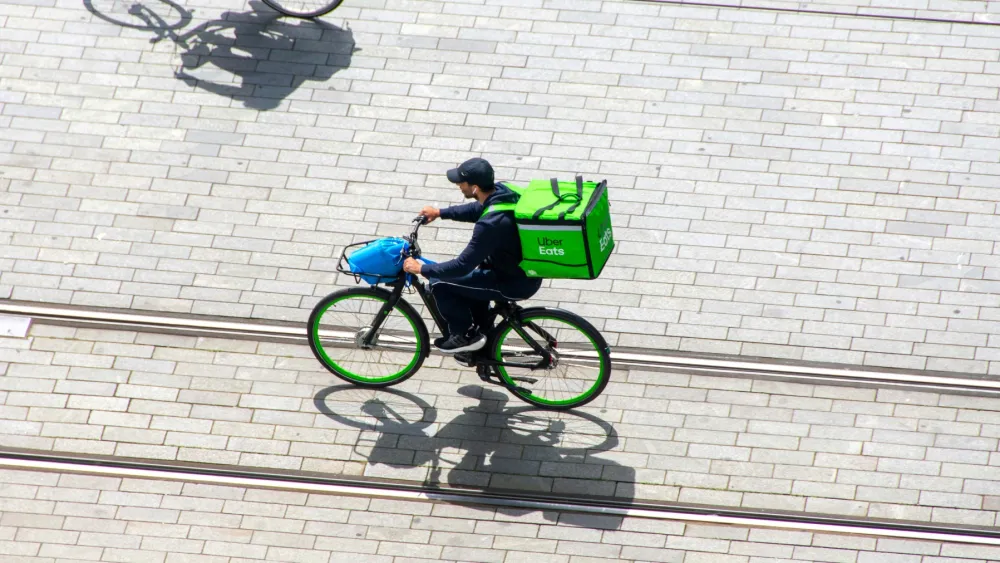
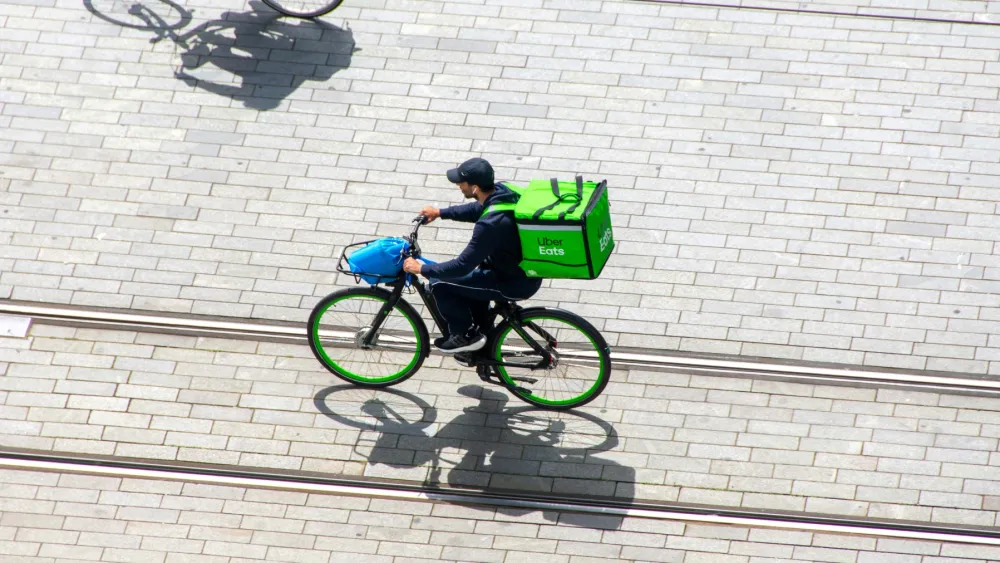
The FTC said Taiwan’s food delivery market is dominated by foodpanda and Uber Eats. Although Grab and foodpanda do not directly compete in Taiwan, the acquisition would make Grab a major competitor to Uber Eats.
However, Uber, the parent company of Uber Eats, holds approximately 13.1% of Grab’s shares. Uber’s chief executive also previously served on Grab’s board for an extended period, and the two companies have business ties in other markets.
The FTC said these connections could reduce both companies’ incentives to compete aggressively and increase the risk of coordinated behaviour. It also cited high barriers to entry and the limited bargaining power of restaurants and consumers.
Grab proposed measures including reducing shareholdings, restricting Uber personnel from serving as Grab directors and limiting the exchange of competitively sensitive information. The FTC found these commitments insufficient to address its competition concerns.
The commission concluded that the acquisition’s anti-competitive effects would outweigh its economic benefits and that additional conditions would not resolve the concerns. It prohibited the deal under Article 13, Paragraph 1 of Taiwan’s Fair Trade Act.