What a New QSR Outlet in Asia and Australia Costs Beyond the Fit Out
By Bashar QawasThe fit-out quote is only the first cheque. Count what follows, outlet by outlet, before putting your name to the next lease.
The fit-out quote sticks in your memory. The other bills scatter.
Across Asia and Australia, QSR brands are busy opening outlets. In the first nine months of 2026, DPC Dash, Domino's master franchisee in mainland China, Hong Kong and Macau, added 319 net new stores, while Big Apple Donuts & Coffee opened its 100th Malaysian store in October and plans another 10 in 2027.
Every one began with a fit-out quote. But the quote, on its own, doesn't tell you what has to be earned back.
Before anyone buys anything
Rent, or at least service charges and outgoings, can start before opening day, especially once the rent-free fit-out period runs out.
Meanwhile, the crew needs hiring and paid training. Stock and packaging must be bought, then sit on shelves waiting for customers. The money has already gone.
None of that appears in the contractor's quote. Instead, training wages join the group wages line, and opening stock gets absorbed into group cost of goods. By the time the doors open, the starting cost is there in the books, somewhere. Just not together.
The offer costs something, too
Opening promotions are common in this region. When Molly Tea opened at Hillion Mall in Singapore on 9 October, its third site in the country, it ran a Buy 1 Get 1 promotion on six signature drinks for three days, dine-in only and capped at four per order, plus gifts for the first 250 customers. Hello Sarnie marked its first Sydney shop, on Mount Street in North Sydney, with $2 coffees all day on 14 October.
Sensible ways to fill a store? Certainly. They're also part of its opening cost. That free second drink represents revenue not collected; put it against the opening, rather than letting it disappear into group marketing.
Big Apple's RM1 pandan doughnut offer for its 100th store shows the same kind of control: 100 pieces per store each day, in-store only, delivery apps excluded. Someone decided beforehand how much to give away, and through which channel. The limit matters.
Sales need time, and the mix matters
Most new outlets need months to reach steady sales. Rent and wages, meanwhile, run at full rate. Those early months often lose money, and those losses belong in the outlet's cost.
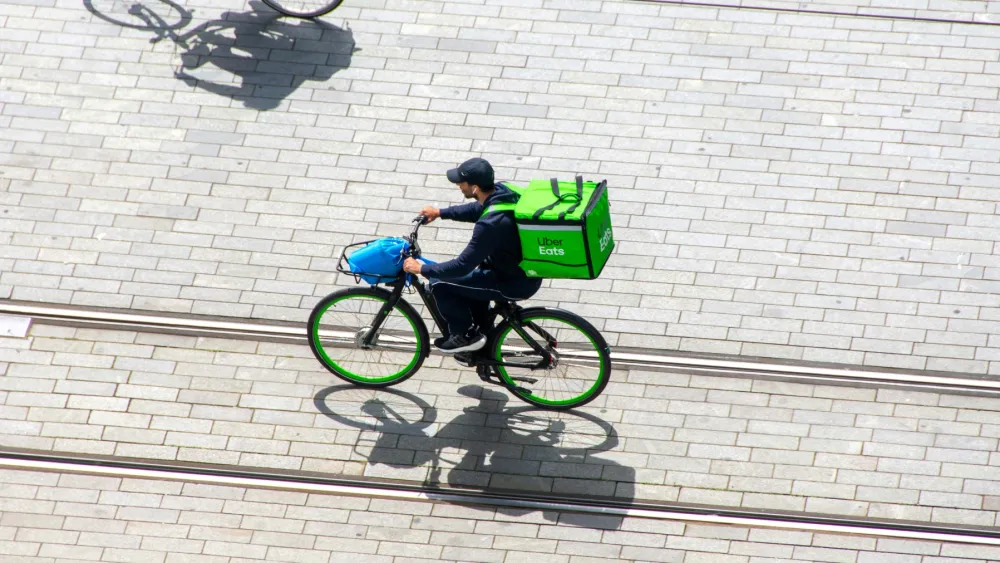
Then there's how the sales arrive. DPC Dash reported that delivery made up 30% of transactions in its new city markets in the third quarter, up from 25% in the first half of 2026. Without a local following, a new outlet can lean on delivery to get known. But every delivery order carries platform commission that a counter sale doesn't.
What the numbers look like
These figures are hypothetical and rounded, in Singapore dollars.
An operator signs for an outlet with a fit out quote of SG$400k. Two months of rent and charges before opening, after the fit out period runs out, cost SG$40k. Hiring and training the crew costs SG$30k. Launch marketing is SG$15k, and SG$10k of value is given away in opening offers. Opening stock ties up SG$20k. Leaving the opening offers aside, the first three months trade at a loss of SG$5,000 each, another SG$15k.
That's SG$30k of cash committed to the outlet: SG$130k or 32.5% more than the quote.
The plan assumed steady sales of SG$150k a month, a 25% delivery share and a monthly contribution of SG$20k after food, packaging, wages and rent. Payback would take 26.5 months after the ramp, or 29.5 months from opening, within the owner's target of 30.
Now suppose delivery settles at 40% of sales. With an assumed platform commission of 30%, the extra SG$22.5k of delivery sales costs SG$6,750 more in commission each month. Contribution falls to SG$13.25k. Payback stretches to 40 months after the ramp, 43 from opening.
Same sales. Same rent. Rather different payback.
Give the outlet its own books from the start
Assign each outlet a location or class in the accounting system when the lease is signed. Don't wait until opening. Code every pre-opening invoice, training timesheet, launch voucher and opening stock delivery to it.
Keep pre-opening costs in separate accounts, apart from the fit-out, and compare each with the estimate. Track launch discounts against the opening in their own line, so they don't vanish as a quiet reduction in sales. Report delivery sales and commission by outlet so a rising delivery share appears the month it happens.
Before signing, set the payback target. Then check monthly: cash committed against cumulative contribution.
Yo-Chi's chief executive, Brooke Rodger, told the QSR Media Conference & Awards 2026 that the brand's venues had performed well enough to fund the next opening, so it had not needed franchising to reach 85 venues.
That's the discipline to copy. Once an outlet earns back what it really cost, it has paid for the next one. Until then, the others are carrying it. Better to see that in the books before signing another lease.